At Generations, our senior living communities provide a sense of community and socialization, offering residents the opportunity to forge meaningful friendships and participate in a variety of activities and events.With access to professional care services and assistance readily available, seniors and their families can have peace of mind knowing that their health and safety are a top priority in a senior living setting.
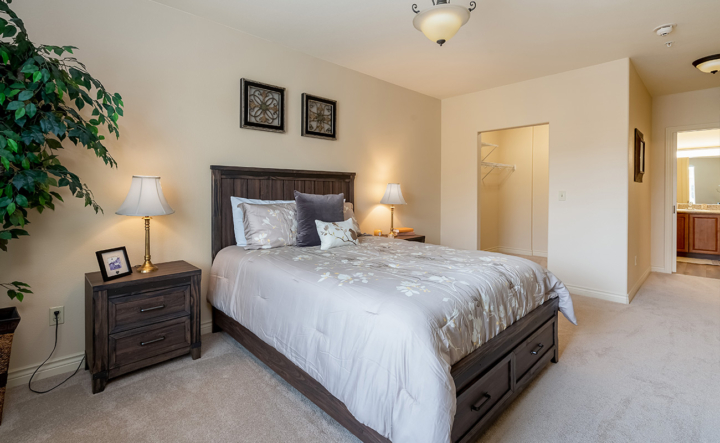
At Generations, Assisted living allows you to gain connection and peace of mind through an independent lifestyle that offers personal care and assistance when you need it. Leave the headaches and responsibilities of keeping up a home behind. We’ll take care of the housekeeping, laundry meals, maintenance, and so much more!
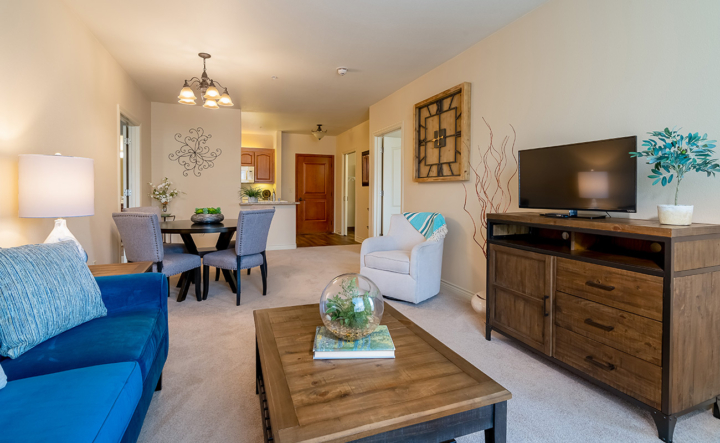
At Generations, Independent Living means just that – independence! Imagine living a life carefree, without all the responsibilities of homeownership. Gain time to pursue your hobbies, continue your life’s work, make incredible new friends – all of this is made possible within a Generations Independent Living community. With all of the activities, services, outings, and amenities we have to offer, your choices are boundless.
A person needing Memory Care still wants to be seen and valued as a unique individual. Experience our person-centered approach to Memory Care—designed to provide specialized care, comfort, and safety to people living with dementia, Alzheimer’s, or other memory issues.
The amount of support we need for planned and unplanned medical events can change quite a bit as we age. Our goal is getting you back to your “normal” whenever possible. Discover our long-or short-term stay Post-Acute Care locations for around-the-clock, licensed nursing care in a supportive and tranquil environment.
At Generations, our senior living communities provide a sense of community and socialization, offering residents the opportunity to forge meaningful friendships and participate in a variety of activities and events.With access to professional care services and assistance readily available, seniors and their families can have peace of mind knowing that their health and safety are a top priority in a senior living setting.
At Generations, Assisted living allows you to gain connection and peace of mind through an independent lifestyle that offers personal care and assistance when you need it. Leave the headaches and responsibilities of keeping up a home behind. We’ll take care of the housekeeping, laundry meals, maintenance, and so much more!
At Generations, Independent Living means just that – independence! Imagine living a life carefree, without all the responsibilities of homeownership. Gain time to pursue your hobbies, continue your life’s work, make incredible new friends – all of this is made possible within a Generations Independent Living community. With all of the activities, services, outings, and amenities we have to offer, your choices are boundless.
A person needing Memory Care still wants to be seen and valued as a unique individual. Experience our person-centered approach to Memory Care—designed to provide specialized care, comfort, and safety to people living with dementia, Alzheimer’s, or other memory issues.
The amount of support we need for planned and unplanned medical events can change quite a bit as we age. Our goal is getting you back to your “normal” whenever possible. Discover our long-or short-term stay Post-Acute Care locations for around-the-clock, licensed nursing care in a supportive and tranquil environment.
Meet Paradise Village – Resort-Style Living with South Bay Style
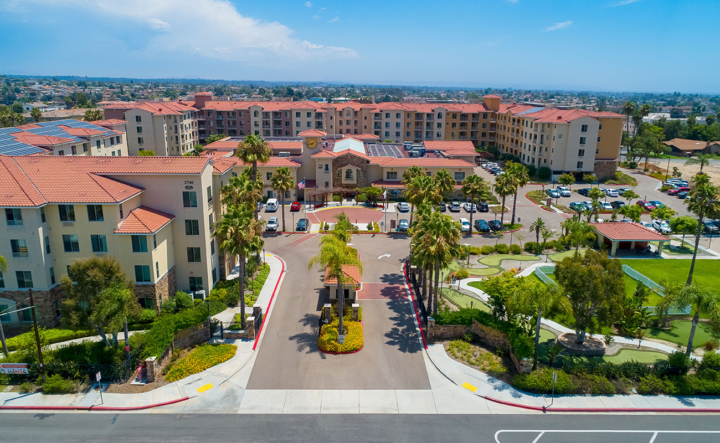
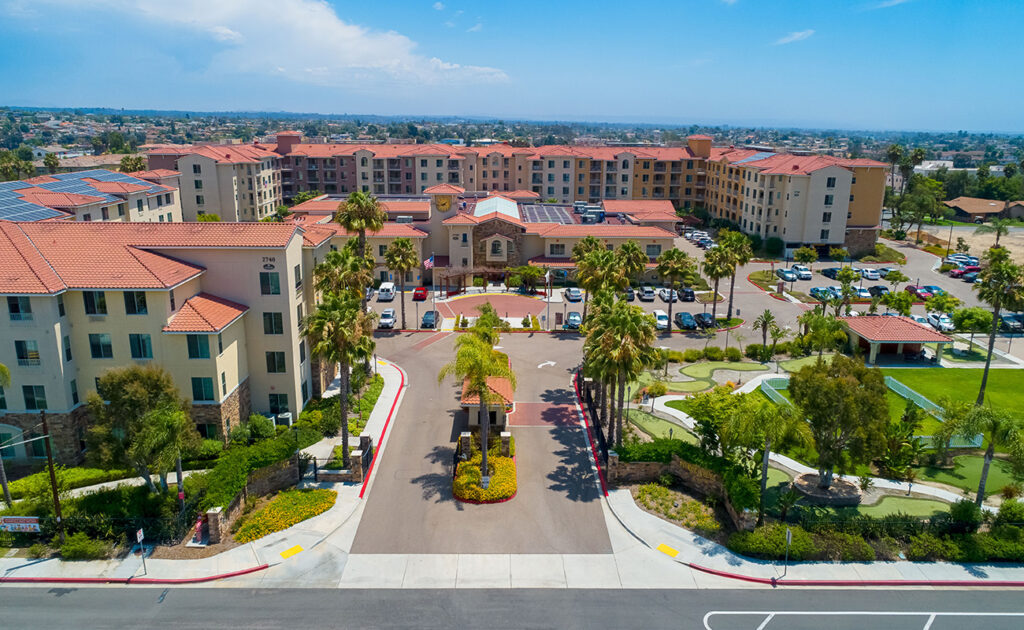
Natural beauty, newfound exhilaration, endless comfort, and a vibrant lifestyle – This is life at Paradise Village. Paradise Village is an innovative resort-style retirement community set on 12 beautiful acres near the Pacific coastline in National City, part of San Diego’s South Bay. Offering three types of senior living; there’s a home here for everyone.
Life in the South Bay region of San Diego is naturally perfect. Meet up with friends at Bonita Golf Course for a challenging round. Venture out to scenic Balboa Park and the abundance of museums or head downtown and check out Little Italy, the Gaslamp Quarter, and Old Town for great restaurants, shops, and entertainment. Catch a game at Petco Park, shop at Westfield Plaza Bonita or Mission Valley Mall, and have fun with the grandkids at San Diego Zoo, Cabrillo National Monument, Coronado, or Silver Strand State Beach. There’s always something fun to do here.
Discover all that sets Paradise Village apart – From our wide variety of floor plans and apartment amenities to our meaningful array of social activities, Vitality programs, and convenient services. The carefree lifestyle at Paradise Village is full of abundant opportunities to help you soak in life’s little pleasures like never before. Resort-inspired amenities in our beautiful community are easy to enjoy your way, every day.
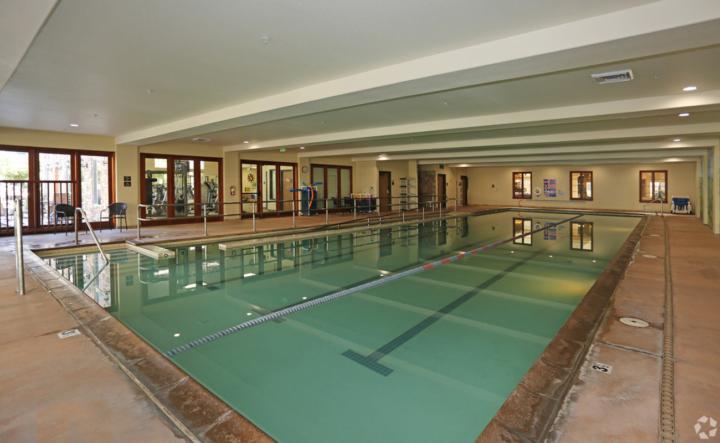
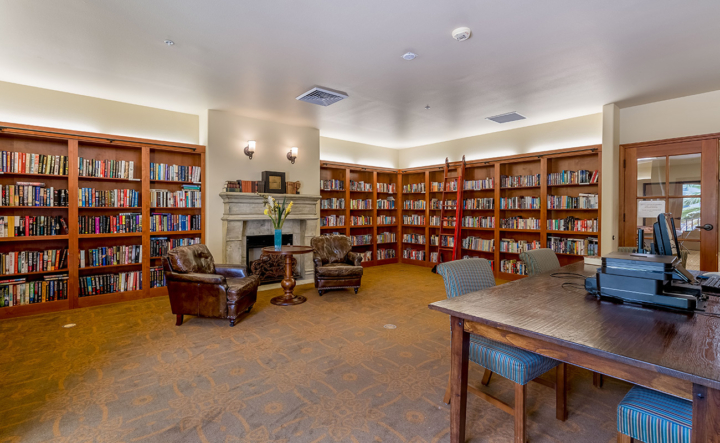
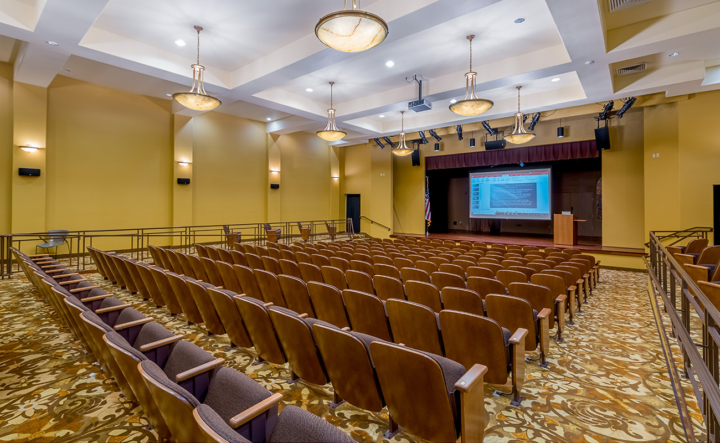
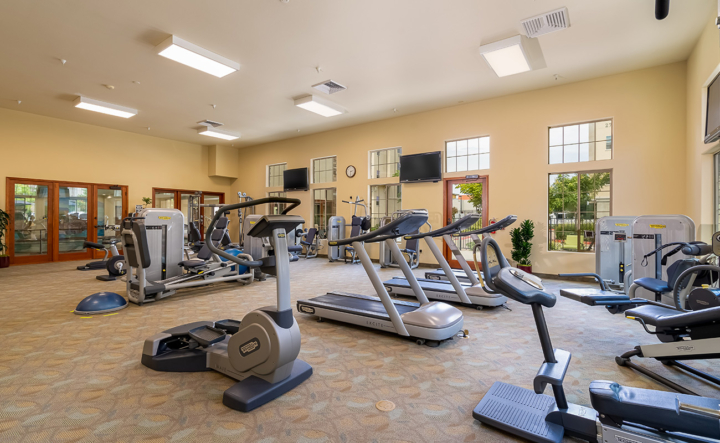
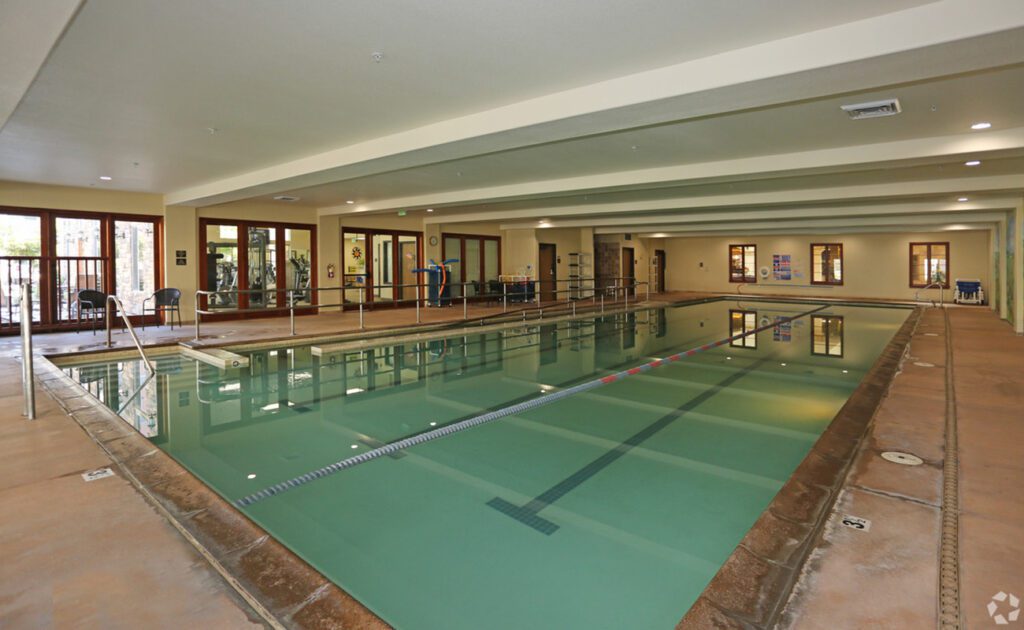
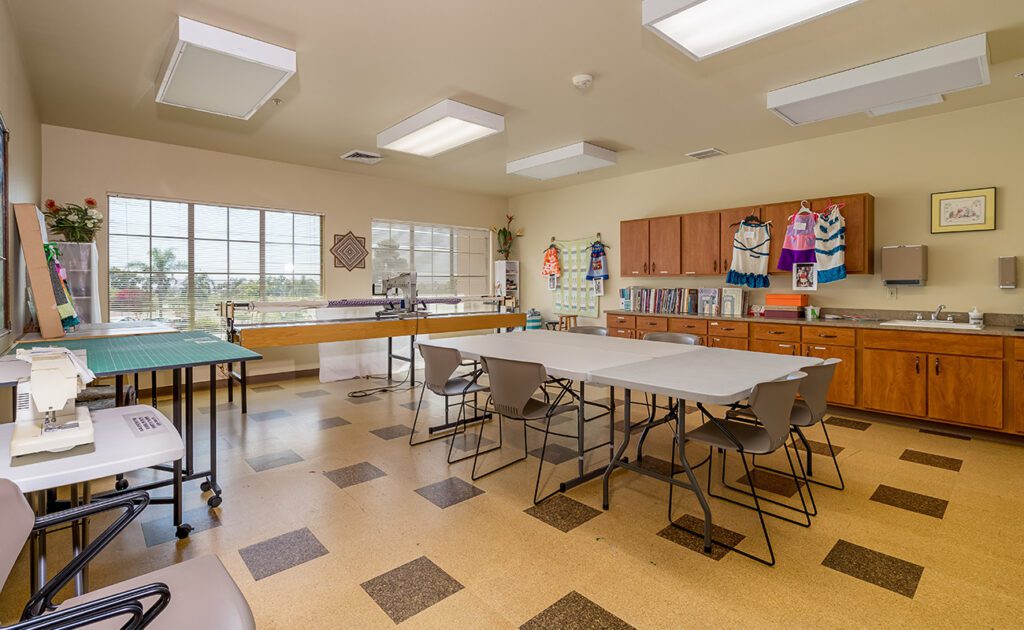
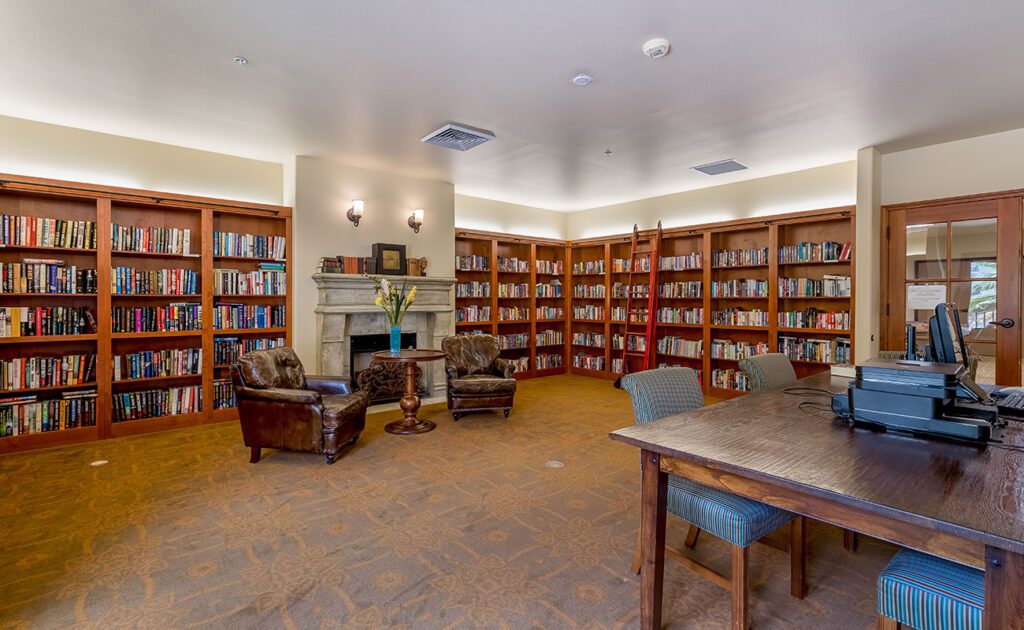
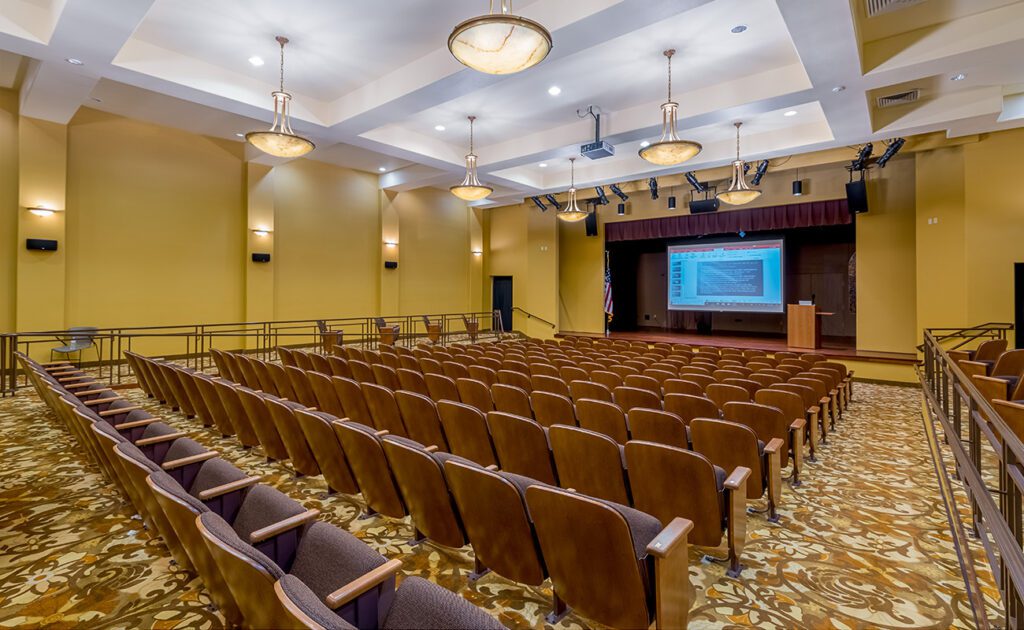
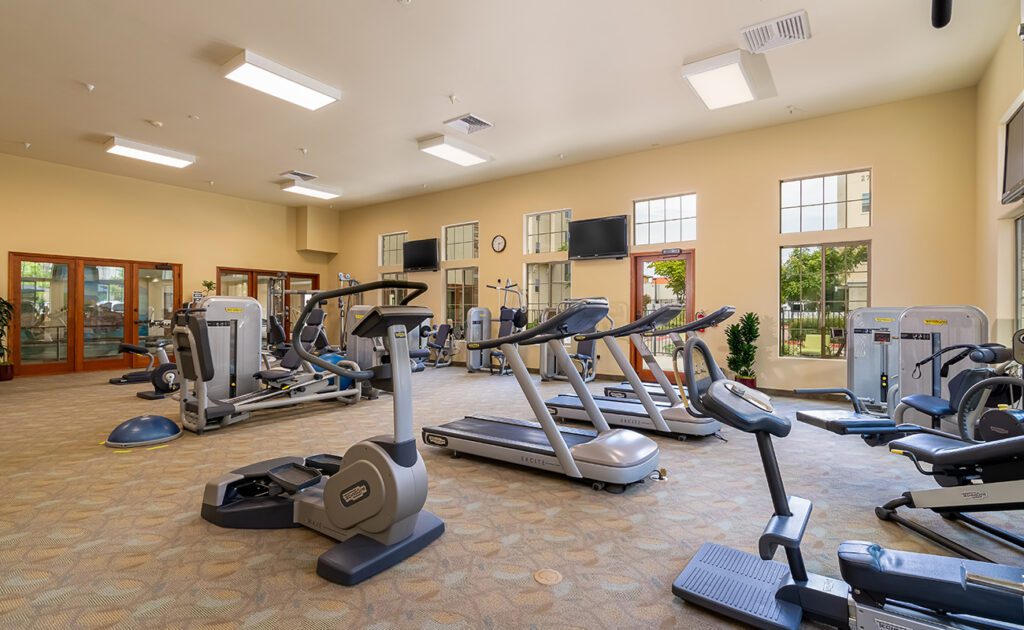
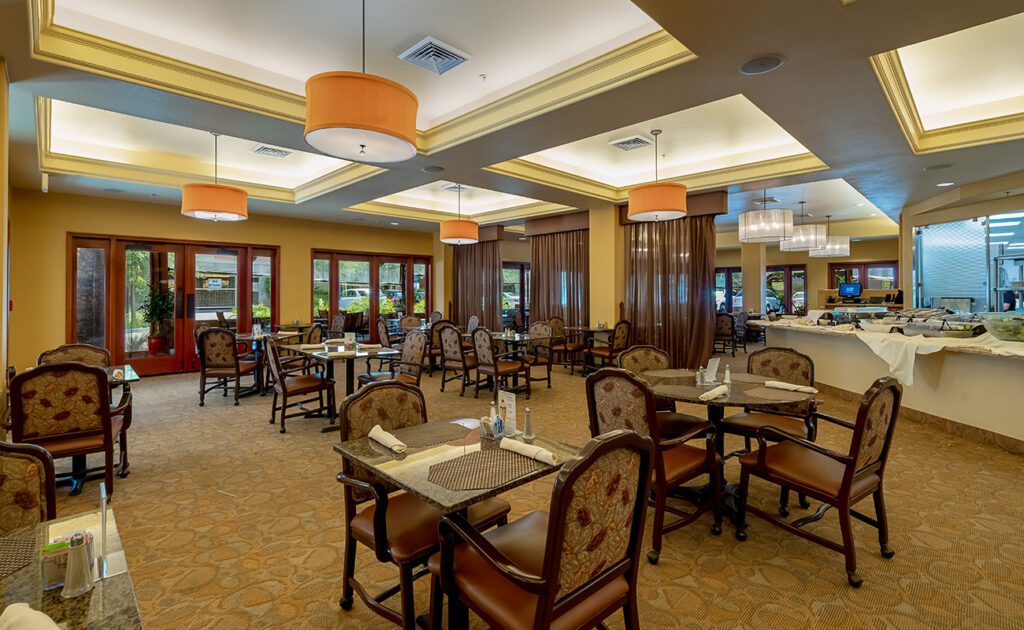
My father and mother lived there for several years. The property is very nice with excellent amenities. The central feature is the Plaza building which houses the restaurant, credit union, theatre for both live performances and movie presentations, crafts rooms, library, indoor pool and a state of the art gym. The staff are friendly, helpful and professional. Especially when compared with other locations, this one is an amazing place at affordable pricing.
Paradise Village has been so amazing with my friend in the memory care unit. The facility is very clean. Staff is kind, gentle and efficient with her and all visitors. The accommodations are clean and furnished, including bed linens and pillow! The patients appear calm and well cared for. This facility bent over backwards for a very quick placement, and we are forever grateful to Jaime and the Staff that helped us. Well done!
We met Jaime at Paradise Village for a tour of the facility. He was wonderful to us! Listened to our story, asked valuable questions and personalized the experience just for us. We were so impressed and comfortable. Highly recommend a visit!
Considering the enormously challenging task of finding the perfect assisted living facility for a loved one, we could not be more grateful and relieved to have discovered Paradise Village. From our first interaction with their compassionate staff to witnessing firsthand the incredible care they provide, our experience here has been nothing short of exceptional.The staff at Paradise Village goes above and beyond to create a warm and welcoming environment for all residents. Their dedication to the well-being and happiness of each individual is truly remarkable. It is evident that every member of the team, from the caregivers to the administrative staff, genuinely cares for the residents and their families.The knowledge and expertise exhibited by the staff are awe-inspiring. They possess a deep understanding of the unique needs and challenges of assisted living residents, and their extensive experience shines through in the exceptional care they deliver. It is reassuring to witness their unfailing patience, attentiveness, and ability to adapt to varying situations.Above all, the love and affection shown towards the residents are truly heartwarming. It is evident that the staff at Paradise Village not only view their role as a job but as a calling to improve the lives of those entrusted to their care. They take the time to form meaningful connections with residents, recognizing their individual personalities and preferences. It is this personalized approach that creates an atmosphere filled with genuine care and compassion.The facilities at Paradise Village are immaculate, providing a comfortable and homelike setting for residents. The attention to detail in maintaining a clean and organized environment contributes to the overall well-being of residents. Additionally, the facility offers a range of engaging and enriching activities to promote socialization and stimulate the mind.Overall, Paradise Village has exceeded our expectations in every aspect. The amazing, caring, knowledgeable, and loving staff truly make this assisted living facility a hidden gem. We highly recommend Paradise Village to anyone seeking an exceptional place for their loved ones, where they will be treated with the utmost respect, dignity, and care.We are eternally grateful for Paradise Village and the incredible team of individuals who have made it a haven for our loved one.
Paradise Village, Cedars Assisted Living, has been home for my aunt for over five years. She loves her Paradise Village family. She calls it a vacation every day. She is cheerfully greeted by name by all staff. The village is beautifully maintained. Her room is cleaned, her laundry is done by the staff with a smile. She enjoys activities like the entertainment ,exercise and art classes. Auntie enjoys the support but independence at the Cedars!
I’m a family liaison I help families with the hard transition to the assisted livingI been to sooo many places with my clientsAnd honestly paradise village is one of the best from all standers:-location and management and staff .I highly recommend this place.
I have lived at Paradise Village. It is my home. I feel secure in knowing the management and staff are here for me and they have, in fact, enriched my life. Other residents are among those I call friends. Combine this with a variety of activities, healthy meals, and just plain fun, there is no better place to live. Good leaders, good friends, and careful attention to senior needs makes my decision to move to Paradise Village a smart move.
We found the overall experience at Paradise Village to be impressive. Carolyn did a great job with the tour and it made our decision so much easier when our mother’s needs increased to have her reside there. The staff, caregivers and programs are first class and were reasonable priced. We now have two sets of parents there in different care levels, Paradise Village was at the top list of our choices.
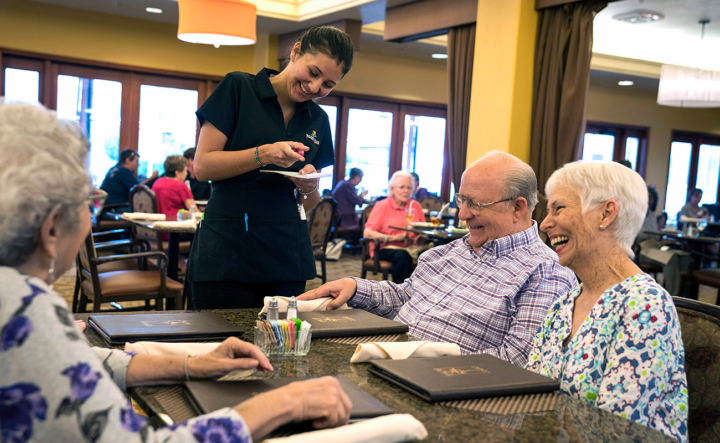
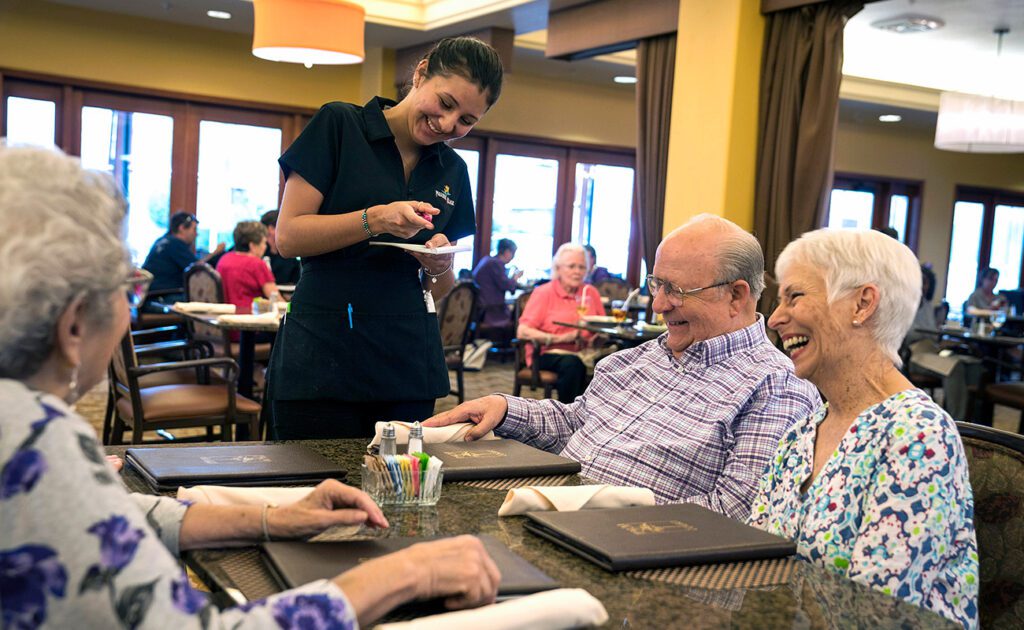
I have lived at Paradise Village for 6 years.From the day we walked through the front door and were greeted witha warm smile and hello .To the consultant who gave us an overview of price andvarious apartments to choose from based on our needs.To our walk around to observe the happy outgoing Staff and busypeopleTo the tasty and enjoyable lunch as we watched the Interaction between theServers and the residents .To coming back the next day and signing the paperwork.To why such a snap decision? clearly those living and working here were happy.We moved in a week later.I call Paradise Village a Cruise Ship that never leaves port.And like a Cruise ship we enjoyed all the activities, parties and madewonderful friends .Sadly my husband Norton passed away 2 years later but unlike beingalone in my house with our children concerned about my being aloneI was surrounded by friends .And then the Light Bulb moment of reality ! What a wise decisionwe made that day 6 years ago to move here.
I just helped my mom move in here. Everyone on the staff has been very friendly and warm and accommodating. The village is overall very nice with a lot of amenities that hopefully my mom will be able to use. The price is slightly higher than tour standard indy village but the setting is much much nicer than most of the other places we looked at. Hollie in the new resident department was super friendly and answered all our questions. Reggie (night security) was helpful and friendly when I was here at night after work trying to bring various stuff up to setup moms apt. Jacqueline at the front desk is always friendly and warm when I call in to ask a question. The waiters and waitresses at the restaurant are really sweet and accomplishing.
Gallery
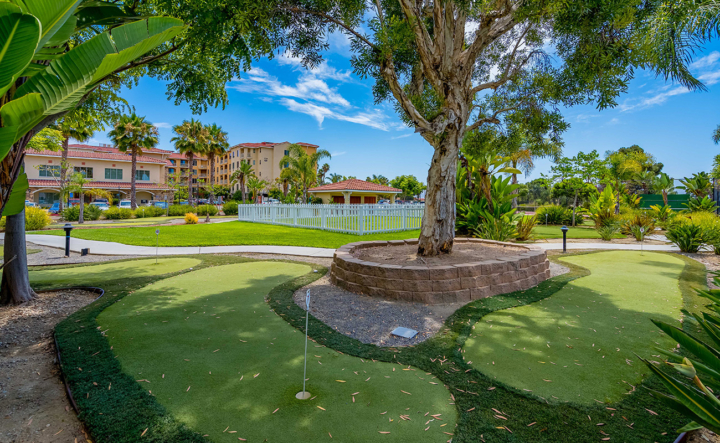
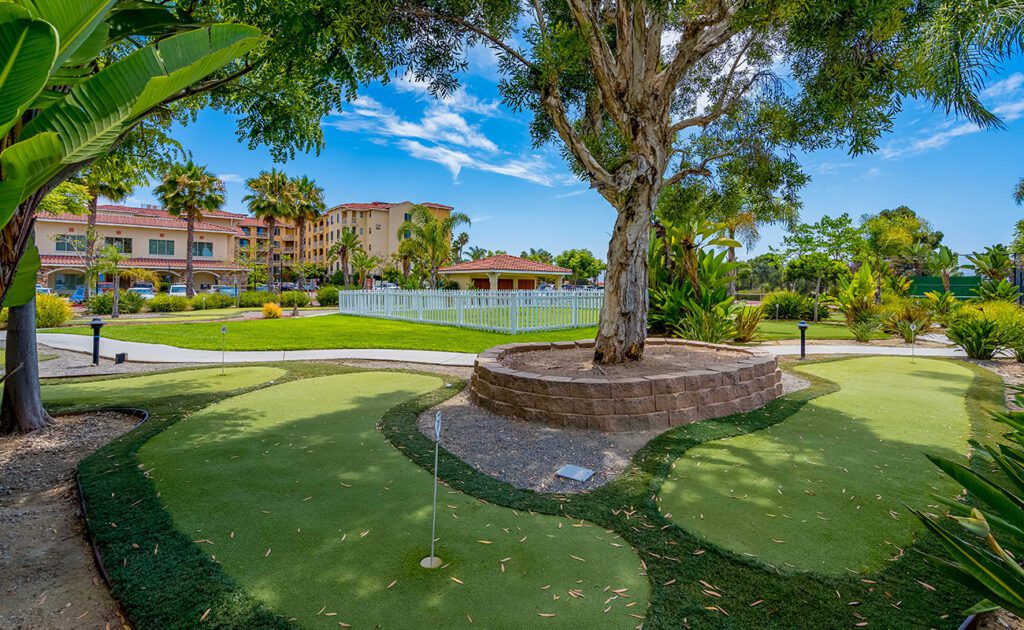
Putting Green
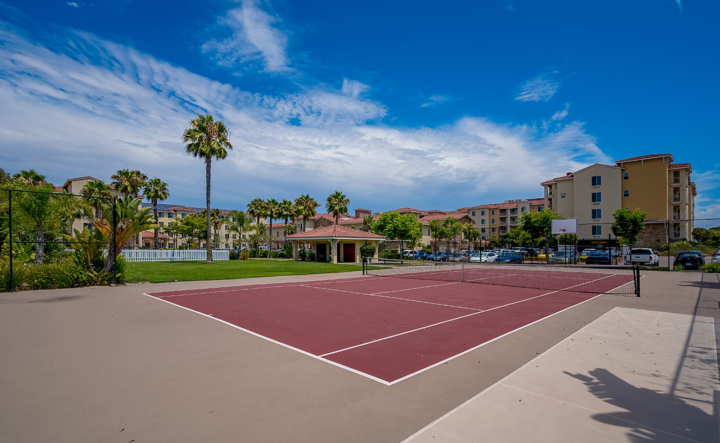
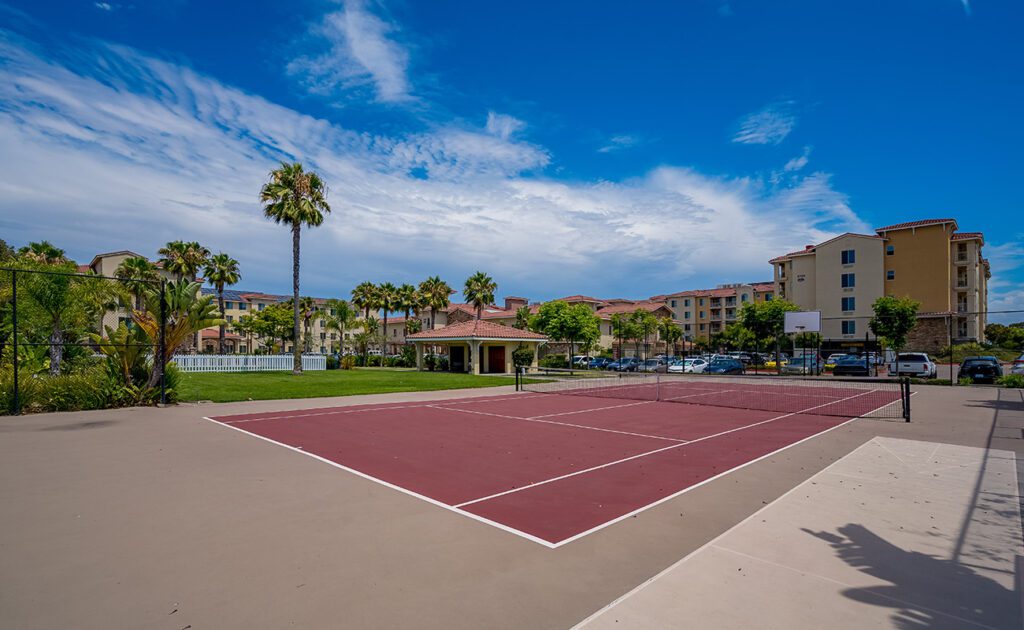
Tennis Court
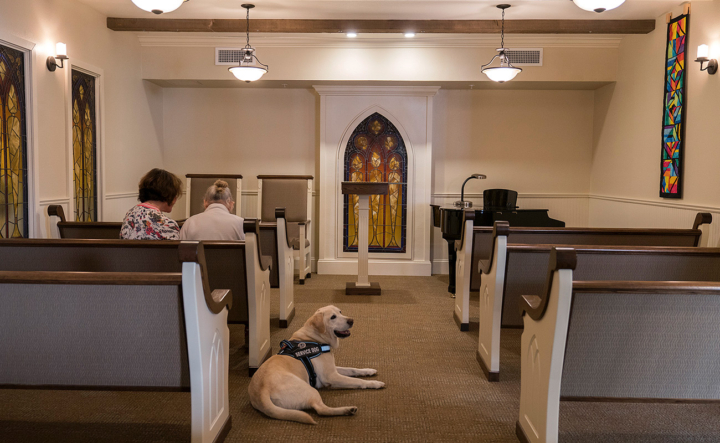
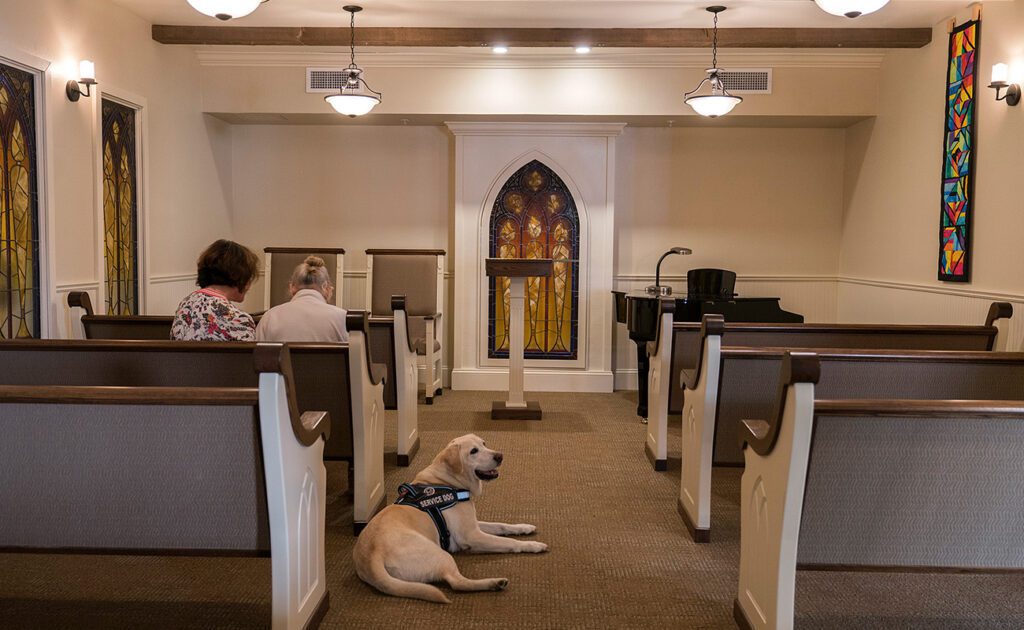
Chapel
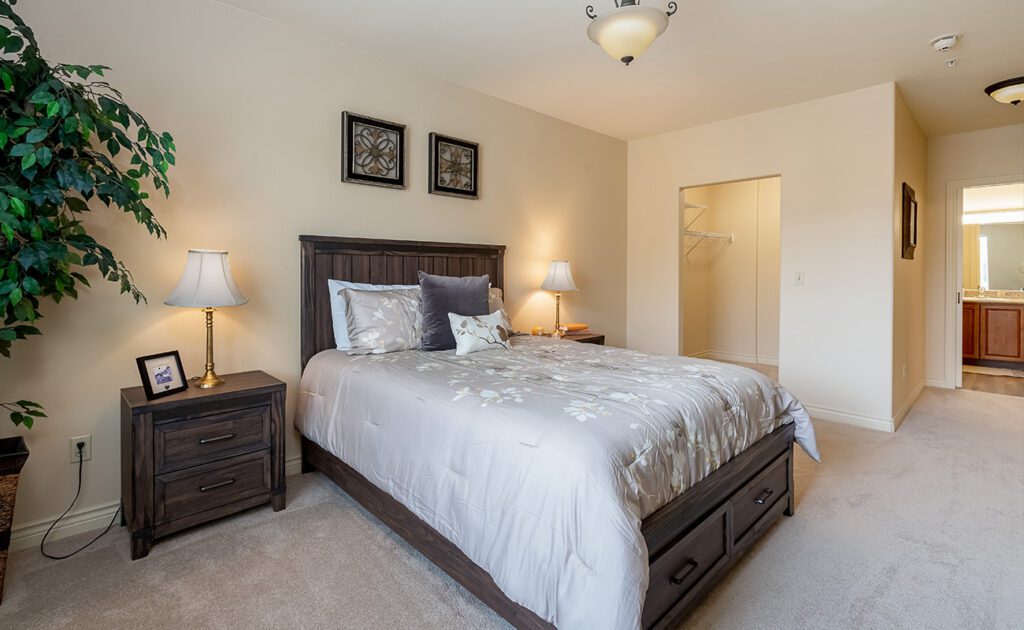
Independent Living Model
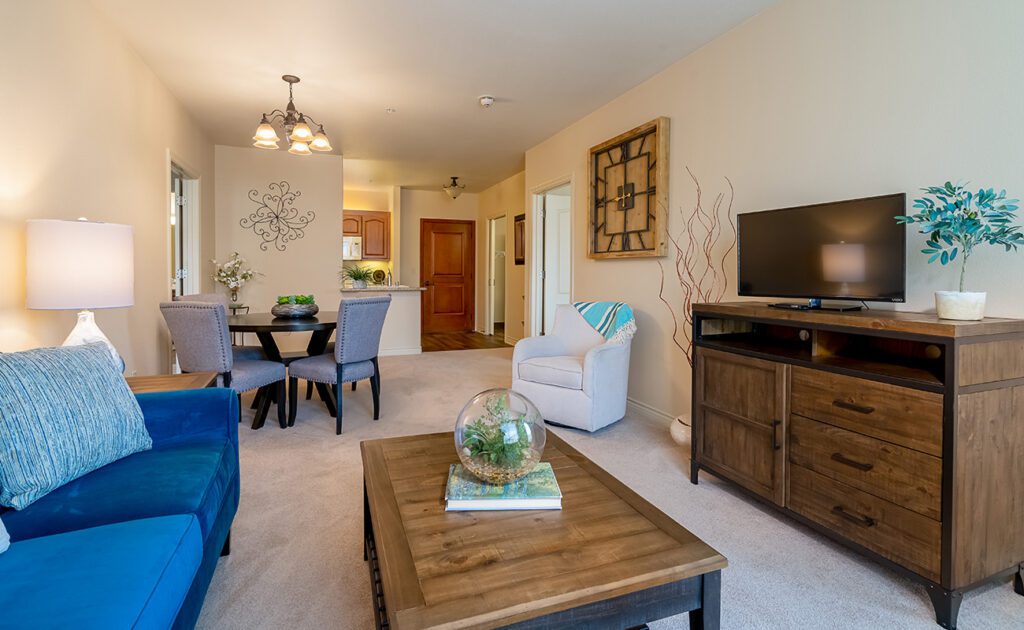
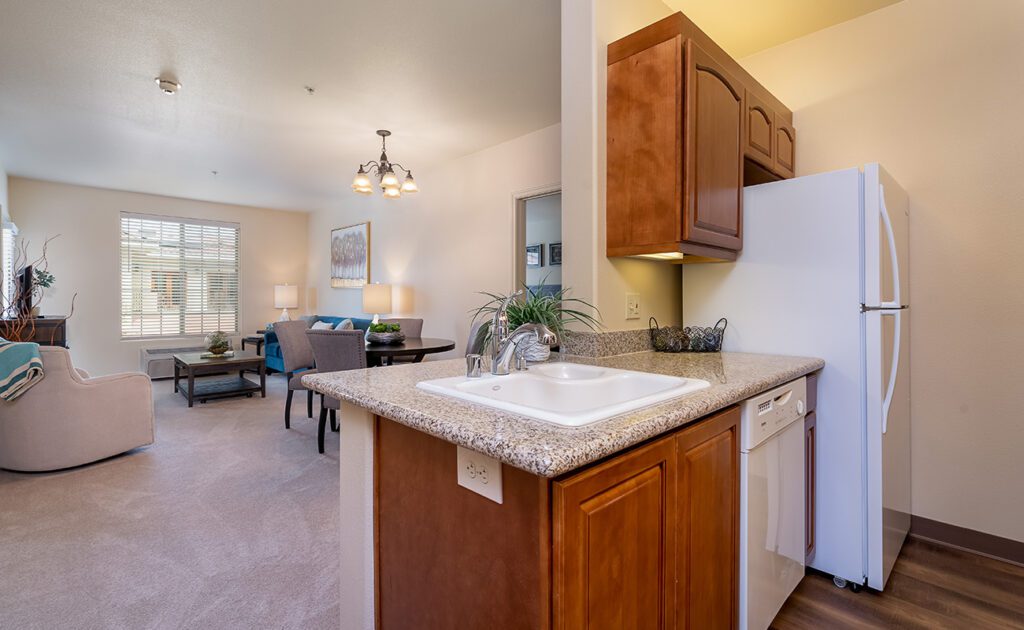
Independent Living Living Room
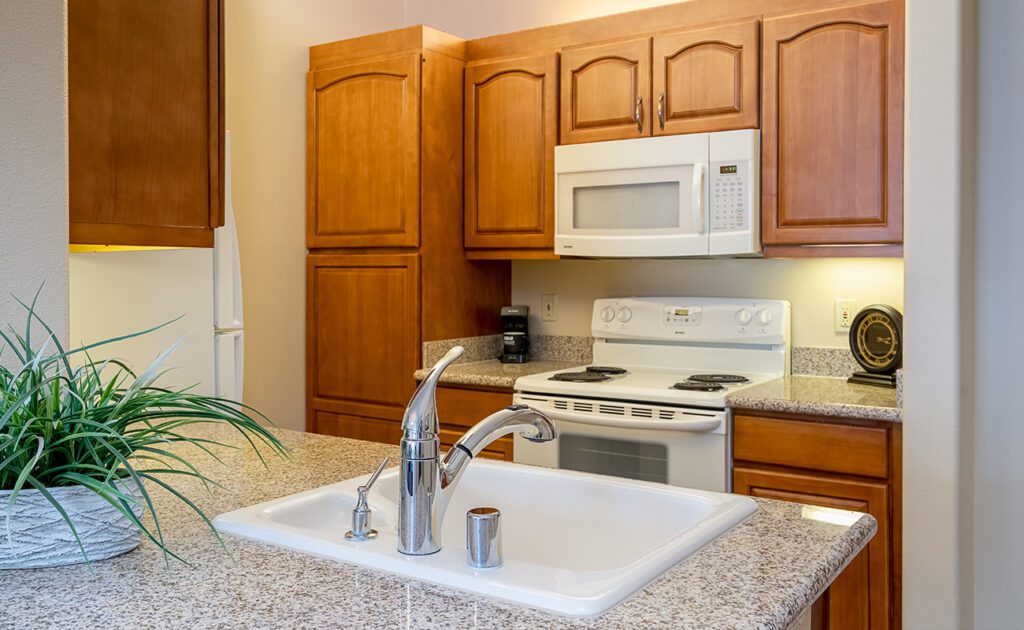
Independent Living Kitchen
Independent Living Kitchen
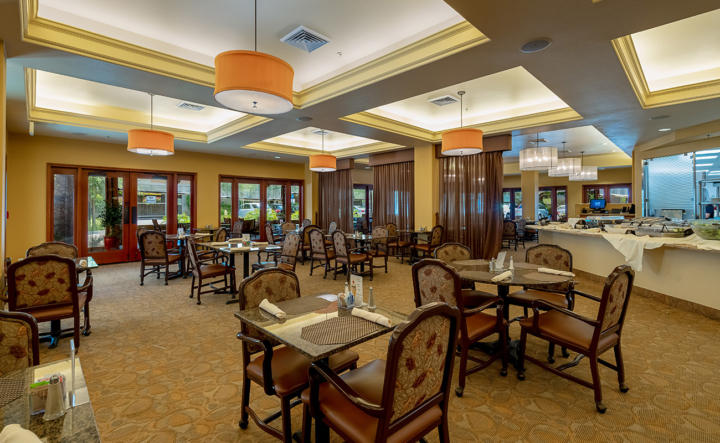
Independent Living Dining Room
Vitality Center/Pool
Vitality Center/Pool
Craft Room
Library
Theater
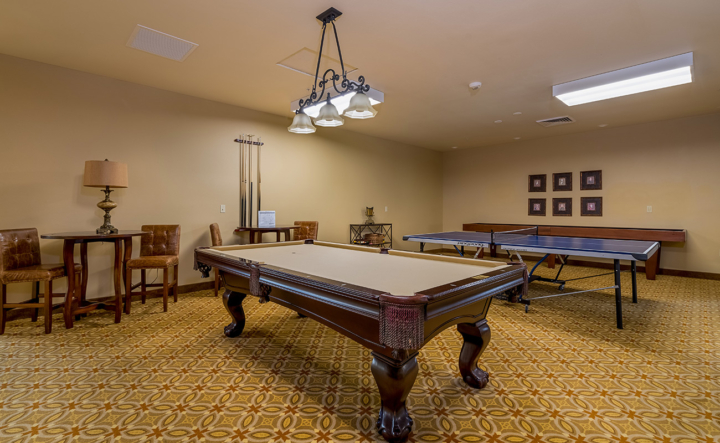
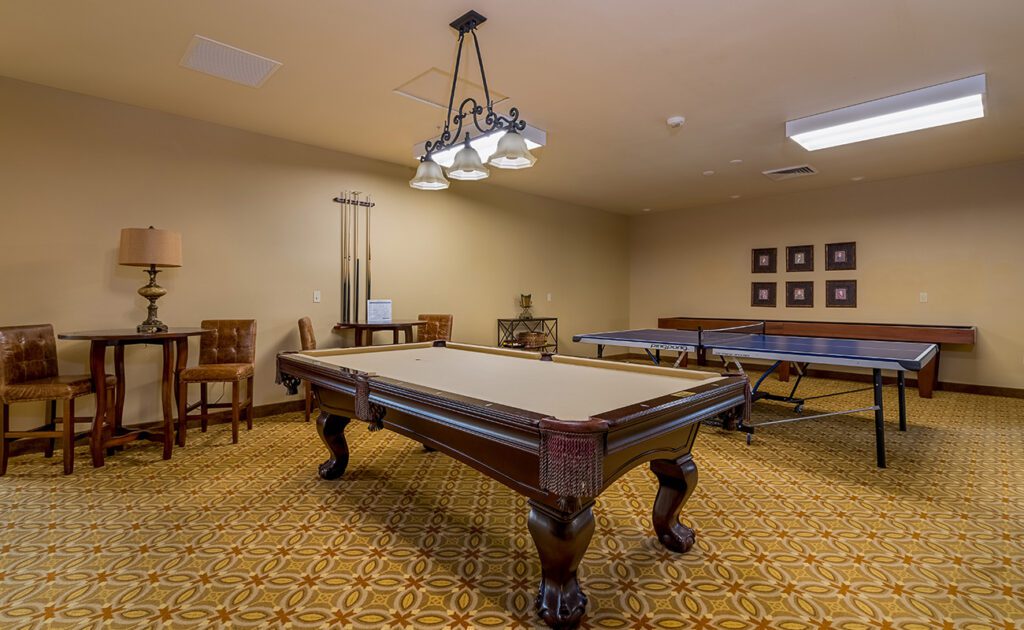
Billiards/Game Area
Vitality Center/Gym
Independent Living Dining Room
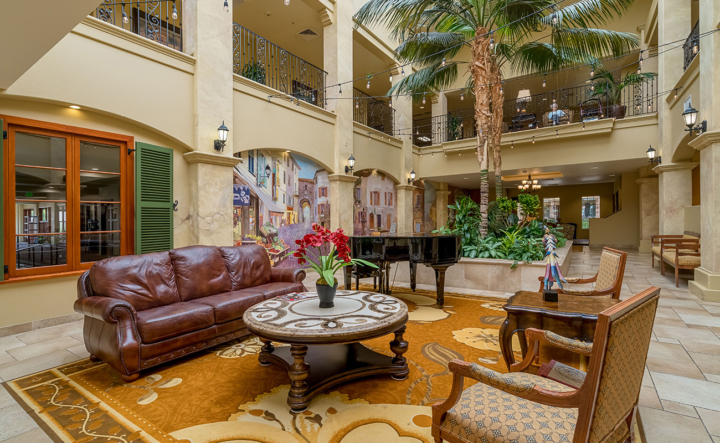
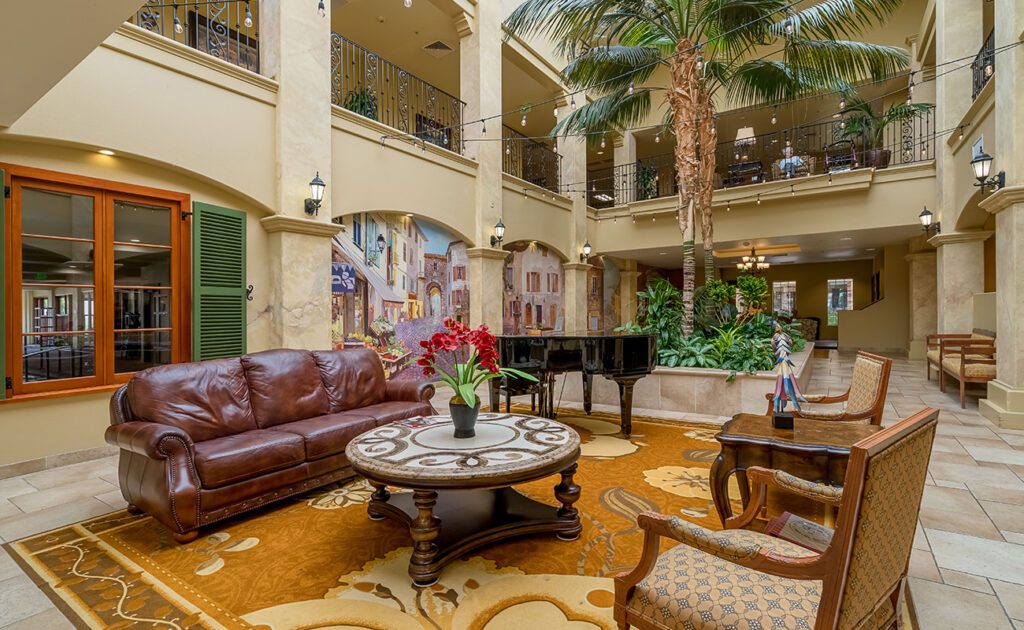
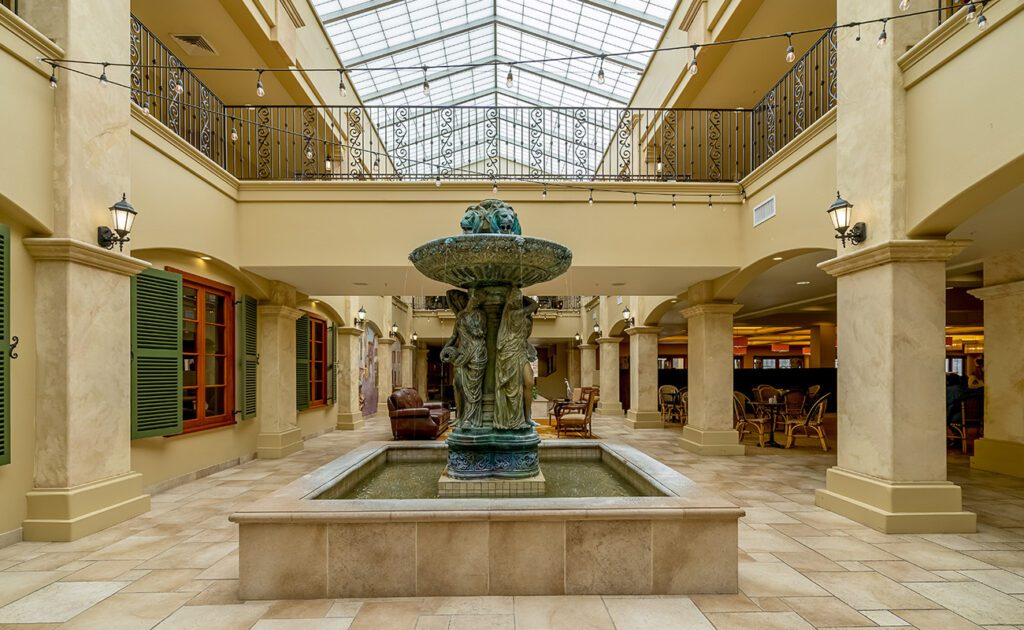
Main Building Foyer
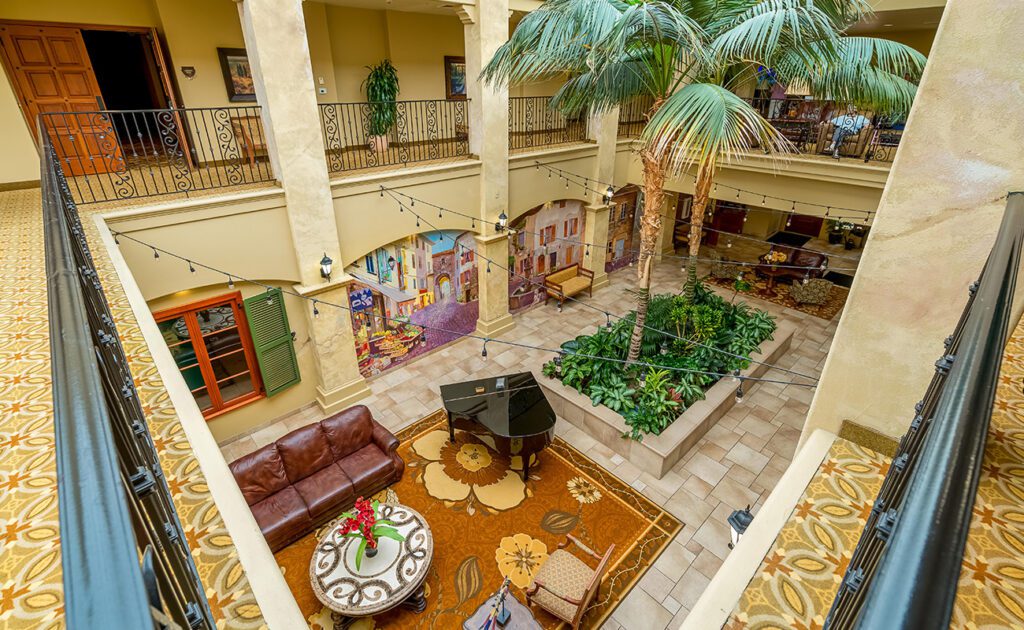
Main Building Foyer
Main Building Entry
×
Putting Green
Tennis Court
Chapel
Independent Living Model
Independent Living Living Room
Independent Living Kitchen
Independent Living Kitchen
Independent Living Dining Room
Vitality Center/Pool
Vitality Center/Pool
Craft Room
Library
Theater
Billiards/Game Area
Vitality Center/Gym
Independent Living Dining Room
Main Building Foyer
Main Building Foyer
Main Building Entry
Look through Paradise Village’s Site Plan!
See an overhead view of our amazing community, living option facilities, and amenities.
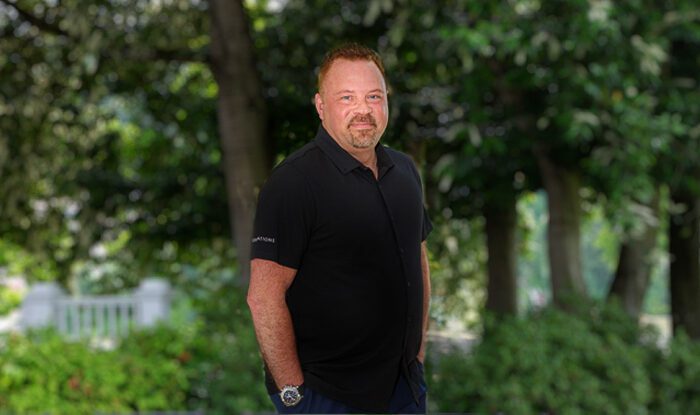
A message from our Senior Executive Director – Bill Lawson
“Being part of the Generations family means being supported by a great group of folks who really care about you. Here at Paradise Village, we offer a vibrant community where you can be who you want to be and do what brings you joy. Our compassionate professionals really care and show it by ensuring every resident is both physically and emotionally taken care of.”